

.png)
.png)
.svg)
.svg)

.png)
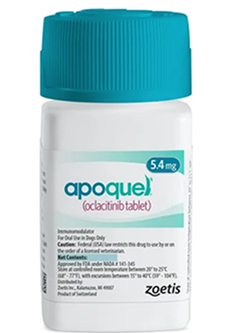
Our licensed vets take a holistic approach to your dog's care and may prescribe additional treatments to effectively manage your dog’s infection and to address any underlying causes identified.


.svg)


.png)


A yeast infection in dogs is an overgrowth of Malassezia, a naturally occurring fungus on your dog's skin, that causes itching, inflammation, and odor. It most commonly affects the ears, paws, skin folds, and belly, and often develops alongside allergies or other underlying skin conditions.
Affected skin often appears red, darkened, or leathery, and may look greasy or flaky. In chronic cases, the skin can take on a leathery texture. In the ears, you may notice brown or dark waxy discharge. On the paws, look for reddish-brown staining between the toes from repeated licking.
Yes, allergies are one of the most common triggers. When a dog's immune system overreacts to allergens, it disrupts the skin's natural barrier, creating warm, moist conditions where yeast can thrive. Dogs with atopic dermatitis frequently develop secondary yeast overgrowth on the skin or in the ears.
The most recognizable signs include a musty or corn chip odor, greasy or thickened skin, intense itching, redness, and discoloration of the skin or nails. Dogs with yeast infections often lick their paws excessively, shake their heads, or rub their face against furniture.
Recurring yeast infections are almost always a sign of an underlying issue. The most common causes include allergies (environmental, food, or flea), a compromised immune system, or hormonal imbalances like hypothyroidism. Treating the surface infection without addressing the root cause typically leads to the infection coming back.
A veterinarian can typically diagnose a yeast infection by reviewing your dog's symptoms and examining photos or video of the affected areas during a virtual visit. Because yeast infections often co-exist with bacterial infections or allergies, sharing clear photos of your dog's skin, ears, and paws helps our vets build a thorough picture and guide the right treatment plan.
Medicated shampoos, ear cleaners, and wipes can help manage mild cases, but most yeast infections require prescription antifungal medication to fully clear up, especially if they're recurring or involve the ears. An Otis vet can review your dog's symptoms online and prescribe the right treatment, so you're not guessing at over the counter options that may not be strong enough.
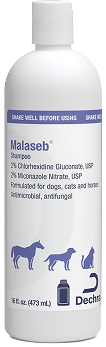
Prescription antifungals like ketoconazole, fluconazole, or terbinafine are commonly used for skin and systemic yeast infections. For ears, veterinarians often prescribe topical antifungal drops. Medicated shampoos containing chlorhexidine or miconazole can also be part of the treatment plan for skin yeast infections.
Most yeast infections respond to treatment within two to four weeks, but recurrence is common if the underlying cause isn't addressed. Ear infections can take longer to resolve, particularly if they're chronic. If your dog isn't improving, you can text your Otis vet directly to reassess the treatment plan with no follow up appointment needed.
The Malassezia yeast that causes infections in dogs is not typically contagious to humans or other pets under normal circumstances. However, if you have a compromised immune system, it's a good precaution to wash your hands after handling an affected dog and to consult your doctor if you have concerns.
Breeds with skin folds, floppy ears, or a history of allergies tend to be most susceptible. These include Bulldogs, Basset Hounds, Cocker Spaniels, Shih Tzus, Golden Retrievers, and West Highland White Terriers. Dogs of any breed can develop a yeast infection, but those with allergies or chronic skin issues are at higher risk.
You should see a vet if your dog's symptoms last more than a week or two, if the odor or discomfort is worsening, if there's significant ear discharge or head tilting, or if this is a recurring problem. Chronic yeast infections almost always point to an underlying condition that needs to be identified and managed to break the cycle.
Yes. Our licensed veterinarians can review your dog's symptoms, photos, and medical history through a virtual visit and prescribe the appropriate antifungal medication and supporting treatments. Any prescriptions are filled by our partner pharmacy and shipped directly to your door with free shipping and automatic refills.
The two can look very similar and often occur together. Yeast infections tend to produce a musty or sour odor and greasy, darkened skin, while bacterial infections may cause crusting, pustules, or a more pungent smell. Because they're hard to tell apart without a vet review, sharing detailed photos of your dog's skin during your virtual visit allows our licensed veterinarians to assess the pattern and prescribe the appropriate treatment.
Yeast ear infections are typically caused by moisture buildup, allergies, or narrow ear canals that trap heat and debris. Dogs who swim frequently, have floppy ears, or suffer from seasonal allergies are especially prone. A yeast ear infection usually produces a dark, waxy discharge and a distinct odor.