



.png)
.png)
.svg)
.svg)

.png)
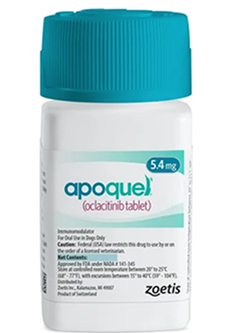
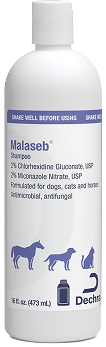
Our licensed vets take a holistic approach to your dog's care and may prescribe additional treatments to effectively manage your dog’s infection and to address any underlying causes identified.


.svg)


.png)



Yeast ear infections are typically caused by moisture buildup, allergies, or narrow ear canals that trap heat and debris. Dogs who swim frequently, have floppy ears, or suffer from seasonal allergies are especially prone. A yeast ear infection usually produces a dark, waxy discharge and a distinct odor.
Yes. Our licensed veterinarians can review your dog's symptoms, photos, and medical history through a virtual visit and prescribe the appropriate ear drops or oral medication. Clear photos of the inside of your dog's ears - including any discharge or redness - help our vets assess the infection and put together the right treatment plan. Any prescriptions are filled by our partner pharmacy and shipped directly to your door with free shipping and automatic refills.
The most common signs include head shaking, scratching at the ears, and a noticeable odor coming from the ear canal. You may also notice redness or swelling inside the ear, dark or yellow discharge, and your dog wincing or pulling away when you touch their ears. In more severe cases, dogs may tilt their head to one side or seem off-balance.
A dog ear infection is an inflammation of the ear canal, most commonly caused by an overgrowth of bacteria, yeast, or both. The outer ear canal is affected in most cases, though infections can spread to the middle or inner ear if left untreated. Ear infections are one of the most common conditions vets see in dogs, and they frequently develop alongside allergies or other underlying skin issues.
A dog ear infection often shows up as redness, swelling, or discharge inside the ear canal — this can be dark, yellow, or chunky depending on the type of infection. You may also notice a bad smell coming from the ear. On the outside, your dog might be shaking their head frequently, scratching at the ear, or rubbing their face on the floor. The fur around the ear can thin out from repeated scratching, and the ear flap may look inflamed or have scabs along the edges. In chronic cases, the skin inside the canal can thicken and the opening may appear narrowed.
The bacteria and yeast that cause most dog ear infections are not typically contagious to other pets or people under normal circumstances. If you're unsure what's causing the infection, a vet visit can help rule out mites and make sure other animals in the home aren't at risk.
You should see a vet if your dog has been shaking their head or scratching at their ears for more than a day or two, if there's visible discharge or a strong odor, or if they seem to be in pain when their ears are touched. Head tilting, stumbling, or loss of balance are signs the infection may have reached the middle or inner ear and need urgent attention.
Yes, allergies are one of the most common (and most overlooked) underlying causes of ear infections in dogs. When a dog's immune system overreacts to an allergen, whether environmental (like pollen or dust mites), food-based, or flea-related, it triggers inflammation inside the ear canal that disrupts the skin barrier and creates warm, moist conditions where bacteria and yeast can overgrow.
Dogs with environmental allergies often see ear infections flare seasonally. Either way, the ear infection is usually a symptom, not the root problem - which is why treating only the infection without addressing the underlying allergy is why so many dogs don't get long-term relief.