


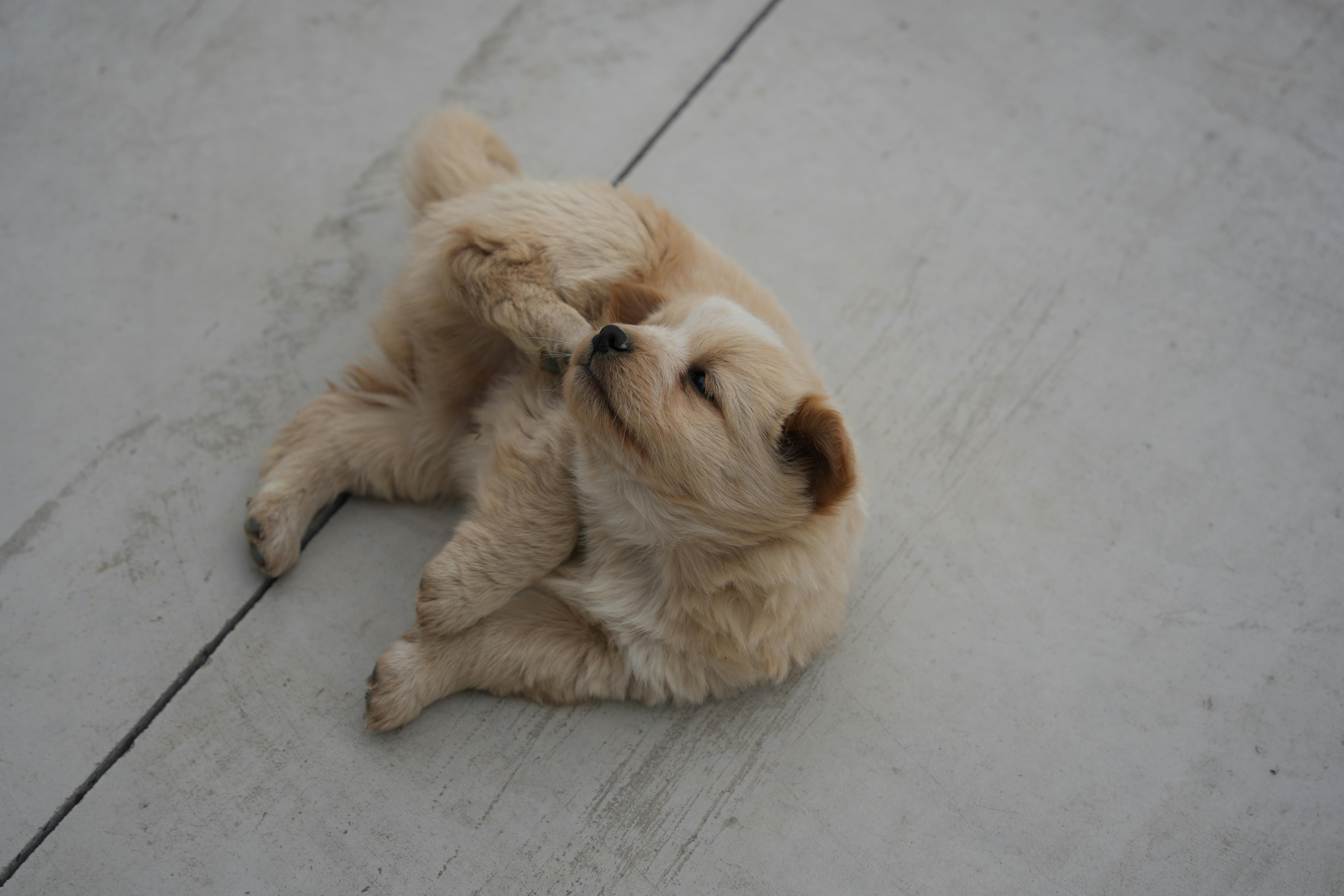
You just gave your dog a thorough bath, and they're scratching again within hours. It's frustrating, and you're probably wondering if you did something wrong. The short answer is no. Bathing removes surface dirt and some allergens, but it doesn't address the inflammatory process happening deeper in the skin.
• Bathing cleans the surface but doesn't stop the immune response causing the itch
• Allergic inflammation lives in the deeper skin layers where water and regular shampoo can't reach
• Frequent bathing without the right products can actually weaken your dog's skin barrier
• Effective itch relief usually requires a combination approach that targets inflammation from multiple angles
When your dog has allergies, their immune system overreacts to things like pollen, dust mites, or certain proteins. This triggers inflammation in the skin itself. Think of it like a fire burning underneath the surface. A bath might clear away some of the smoke, but it's not putting out the flames.
The itch comes from immune cells releasing chemicals called cytokines. These send itch signals to the nerves. Regular shampoo and water rinse away topical irritants, which can provide temporary relief. But those inflammatory signals keep firing from within the skin layers.
On top of that, many itchy dogs develop secondary infections with bacteria or yeast. These microbes create a protective layer called biofilm that shields them from simple washing. So even after a bath, they're still there, continuing to irritate the skin.
Healthy skin has a protective barrier made of oils and proteins that keep moisture in and allergens out. When dogs scratch constantly, that barrier breaks down. Bathing too frequently, especially with the wrong products, can strip away the natural oils that help maintain this barrier.
Once the barrier is compromised, allergens penetrate more easily. This creates a cycle where the skin becomes more vulnerable to the very things causing the reaction in the first place. You might notice your dog seems even itchier a day or two after bathing. That's often because the skin has dried out and the barrier is weaker than before.
Addressing persistent itching usually means working on multiple levels. Medicated wipes can help remove bacteria and yeast by breaking through that biofilm layer. This gets to the root cause rather than just the surface.
Therapeutic shampoos combined with leave-on products like mousses provide deeper cleaning while supporting the skin between baths. Omega-3 fatty acids work from the inside to regulate immune responses and rebuild that moisture barrier over time.
For dogs with significant inflammation, medications that block itch signals at the source can provide relief while other treatments take effect. This helps break the itch-scratch cycle that makes everything worse.
If your dog's itching isn't improving with regular baths, Otis can connect you with a veterinarian who understands skin issues. Dr. Perry and our vet team can evaluate what's driving the itch and create a treatment plan that addresses both the symptoms and the underlying inflammation.
We can prescribe medications when appropriate and recommend specific products that support your dog's skin barrier. Treatment plans are based on your dog's individual history and what's actually causing their discomfort. Getting to the bottom of persistent itching often means looking beyond the bath.