


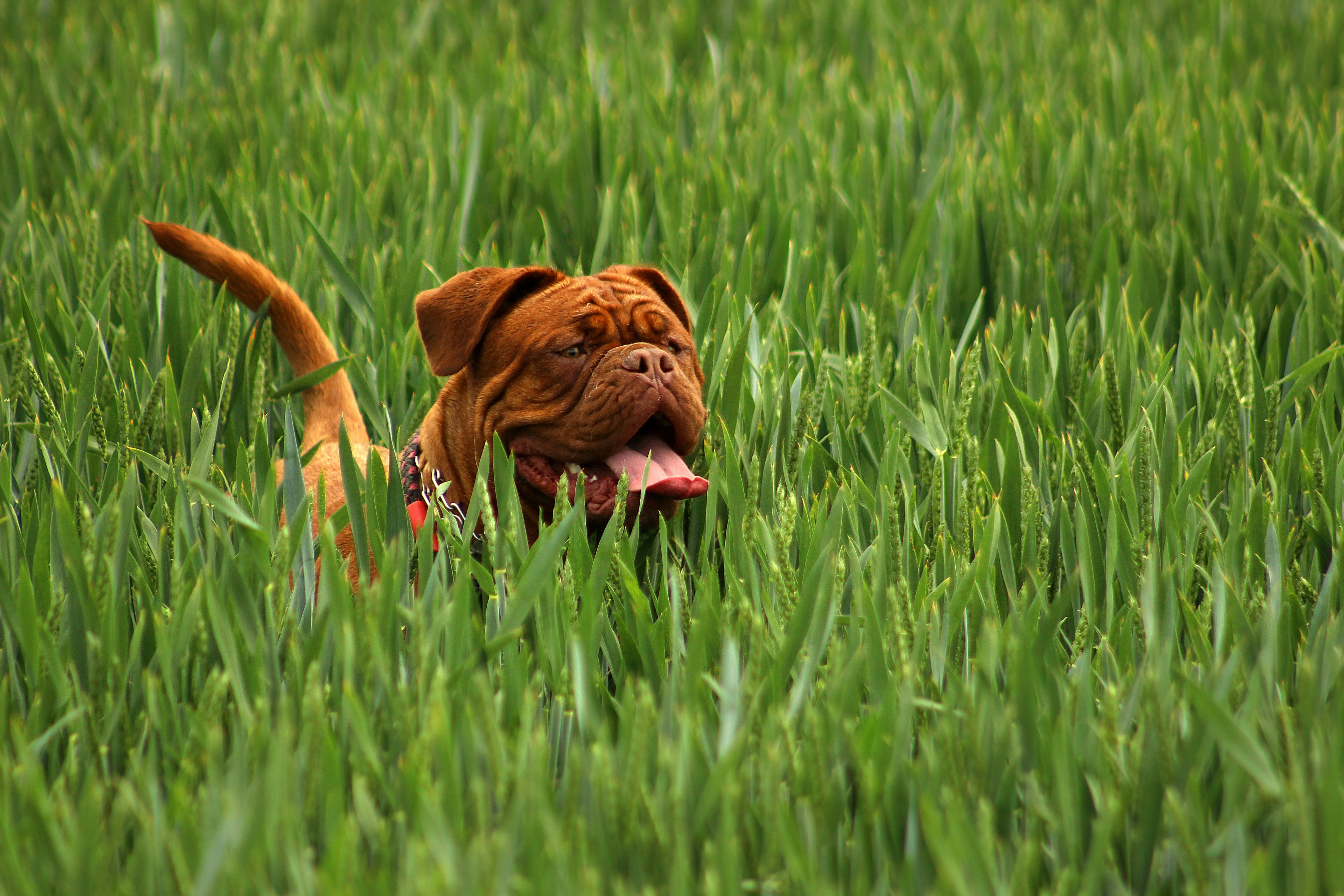
You've been through treatment, things improved, and now the scratching is back. This pattern frustrates a lot of pet owners because it feels like you're stuck in a loop. The reason allergies return isn't that treatment failed. It's that allergies in dogs work in cycles, with inflammation building up over time and different triggers appearing throughout the year.
• Allergies create ongoing inflammation that can flare even after symptoms calm down
• Seasonal changes bring new allergens like pollen, mold, and grass that restart the cycle
• Secondary skin or ear infections often develop during flare-ups and need separate treatment
• Managing allergies long term usually means addressing both the underlying immune response and any infections that pop up
When your dog has allergies, their immune system overreacts to things like pollen, dust mites, or certain proteins. This creates inflammation in the skin and ears. Even when symptoms seem to go away, that underlying inflammation often stays at a low level. Think of it like embers that can flare back up when exposed to the right trigger.
Treatment can calm things down temporarily, but if the allergen is still around or a new one appears, the immune system ramps up again. This is especially common with environmental allergies, where complete avoidance isn't realistic.
Many dogs show a clear pattern tied to seasons. Spring might bring tree pollen. Summer adds grass and weeds. Fall introduces mold spores. Even winter can be tricky with more time indoors around dust and dander.
You might notice your dog does well for months, then suddenly starts scratching again when the weather shifts. That's not a coincidence. Different allergens peak at different times, and your dog may be sensitive to more than one type. Some dogs react year round because they're allergic to things that don't go away, like storage mites or household dust.
Here's where it gets tricky. When your dog scratches and damages their skin barrier, bacteria and yeast that normally live on the skin can overgrow and cause infections. These infections make the itching worse, which leads to more scratching, which worsens the infection.
You might treat the allergy and see improvement, but if a secondary infection developed, it needs its own treatment. Sometimes what looks like allergies coming back is actually an untreated or new infection layered on top of the allergy. Ear infections are particularly common in allergic dogs and can keep recurring if the underlying allergy isn't managed.
If your dog's allergies keep flaring up, a vet visit can help identify patterns and create a longer term management plan. Our vets can evaluate your dog's history, discuss what's been tried, and recommend next steps, whether that's adjusting current treatment, adding supportive care, or checking for secondary infections.
For dogs with recurring issues, we can also help you understand when in-person diagnostics like skin testing or cultures might be useful. Managing allergies often means staying a step ahead of flare-ups rather than just reacting when symptoms return.