


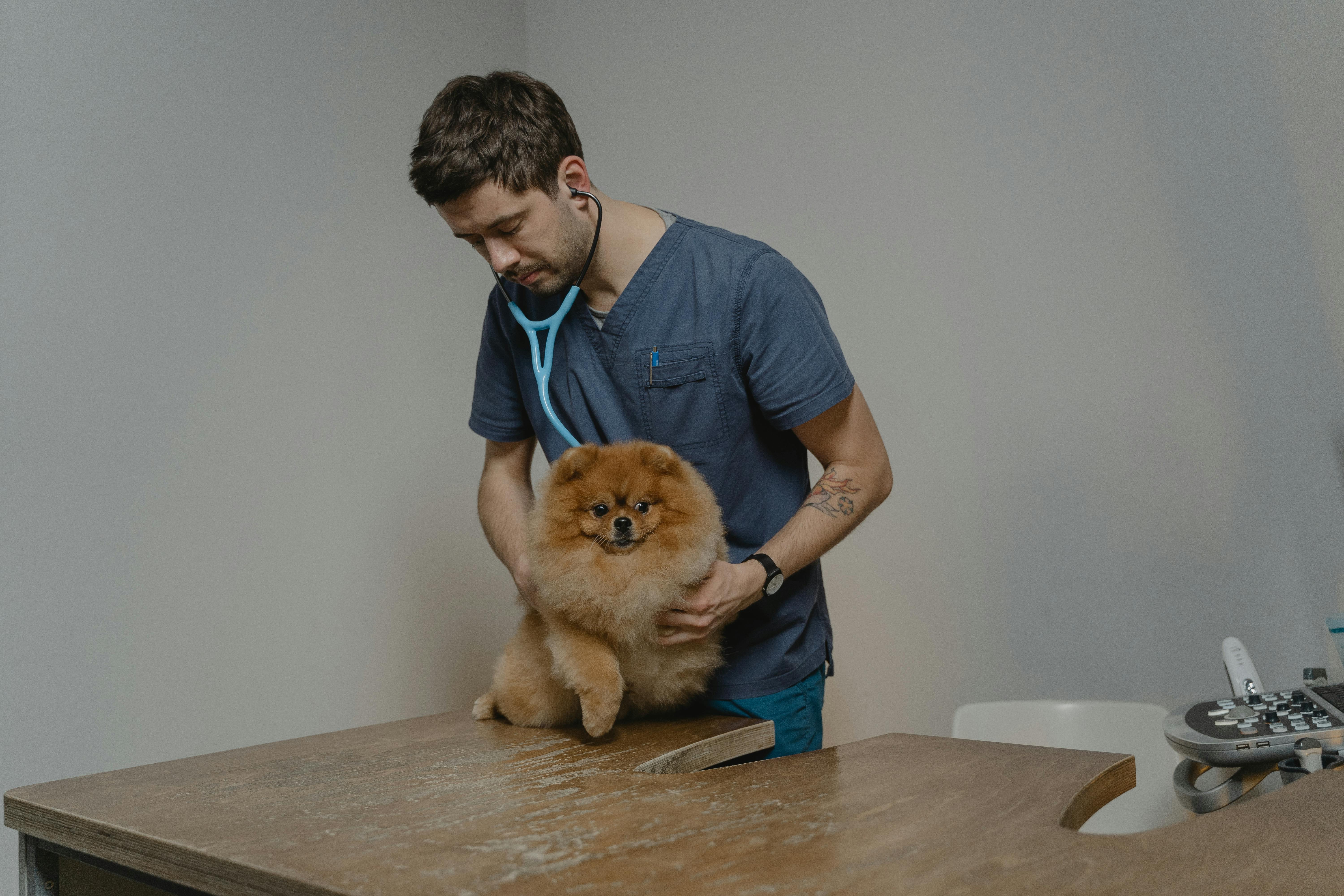
Yes, online veterinary care is legitimate when it’s delivered by licensed veterinarians and used for the right types of concerns. Telemedicine has become a well established part of modern veterinary care, especially for triage, follow ups, and managing ongoing conditions. Like in person care, how effective it is depends on who is providing it and how care is delivered.
• Online vets are licensed veterinarians
• Telemedicine is safe and effective for many non emergency concerns
• Clear limits exist for what can be treated virtually
• Medical records and follow ups are handled just like in clinic care
Yes. Legitimate telemedicine platforms use licensed veterinarians, the same professionals you would see in a clinic. These vets are trained, credentialed, and required to follow state specific veterinary laws, including rules around vet client patient relationships and prescribing.
Online vets are held to the same professional standards as in person providers. If a platform offers medical advice or prescriptions without licensed veterinarians involved, that is not legitimate veterinary care. When used appropriately, telemedicine is both safe and effective.
Research across veterinary and human medicine shows telemedicine works especially well for
• Triage and decision making
• Managing chronic or recurring conditions
• Follow ups after treatment
• Visible concerns like skin and allergy issues
Online veterinarians rely on detailed history, symptom timing, photos, and videos to assess what is going on. In many cases, this provides enough information to safely guide care or recommend next steps.
Just as important, responsible vets are clear about limits. When a physical exam, diagnostic testing, or immediate intervention is needed, they will recommend in person care.
Telemedicine is not meant to replace traditional vet visits. It is meant to complement them.
Many veterinarians use online care to
• Help pet parents decide whether something is urgent
• Provide guidance between clinic visits
• Support long term care plans
• Reduce unnecessary trips to the clinic
For pet parents, this often means faster clarity and less uncertainty when something feels off.
At Otis, online care is delivered by licensed veterinarians who combine telemedicine workflows with thoughtful clinical judgment.
One member of that team is Dr. Scott Perry, DVM, who serves as a licensed veterinarian on Otis’ care team. Dr. Perry and his colleagues review your pet’s symptoms, history, and photos to help determine the best care path. This can include at-home guidance, ongoing monitoring plans, or recommendations for in person care when needed.
Otis vets use structured information and clear follow ups to support your pet’s health while respecting safety and legal guidelines. When medication or other treatments like supplements, wipes, or medicated shampoos are appropriate, they can prescribe and ship them directly to your door. When a physical exam is a better step, they help clarify that too.
Online veterinary platforms maintain medical records just like in-person clinics. Each virtual visit creates a documented record that includes your pet’s intake information, symptoms, photos or videos you submit, the veterinarian’s clinical notes, treatment recommendations, and any prescriptions or products provided.
These records are stored securely and used for follow-up care. This allows veterinarians to review past symptoms, see how treatments worked, and track changes over time instead of starting fresh at each visit.
Consistent records are especially important for ongoing conditions like allergies, skin issues, or digestive concerns. Having photos, prescriptions, and response history in one place helps vets make safer decisions and know when in-person exams or testing are needed.
One of the biggest advantages of online veterinary care is how easy it is to follow up.
Follow up visits allow veterinarians to
• Check whether symptoms are improving
• Adjust treatment plans if needed
• Answer new questions as they come up
• Decide when in person care makes sense
This continuity is what makes telemedicine feel like real care, not just one time advice.