


When your dog won't stop scratching, it's easy to assume allergies are the culprit. But itching can come from several different sources, and figuring out which one matters for getting your dog relief. The good news is that certain patterns can point you in the right direction.
Allergies are common, but so are parasites, skin infections, and even stress related licking. Each one looks a little different if you know what to watch for.
• Allergies often cause itching in specific areas like paws, ears, belly, and face, usually with redness or moisture
• Fleas typically lead to scratching near the tail base and back, while other parasites may cause patchy hair loss
• Yeast and bacterial infections usually come with odor, greasy skin, or darkened patches
• Anxiety related licking tends to focus on one spot repeatedly, often the paws or legs
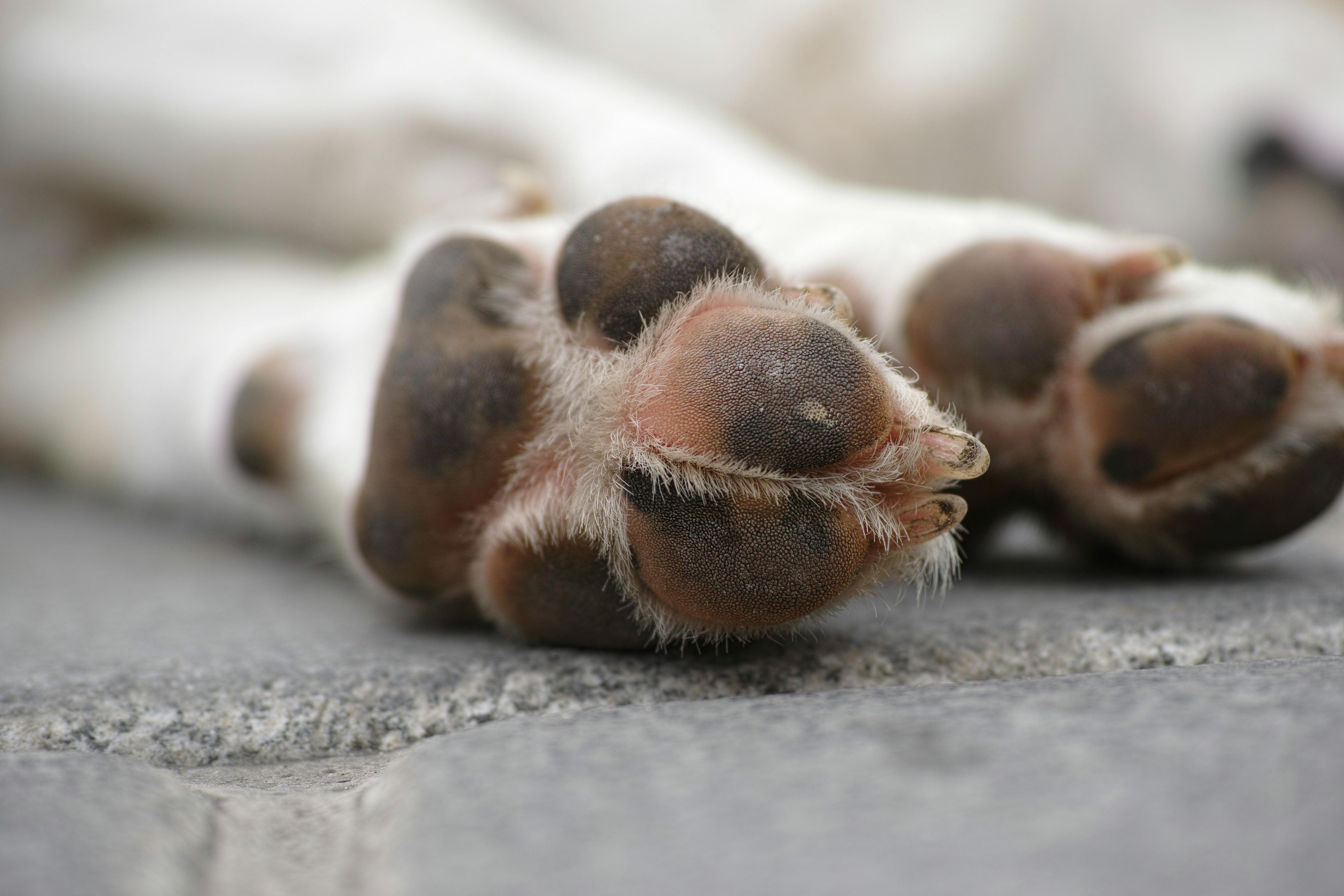
Dogs with environmental or food allergies tend to itch in predictable places. You might notice them chewing their paws, rubbing their face, or scratching at their ears. The skin in these areas often looks pink or red, and it may feel warm or slightly moist.
Allergic dogs can also develop recurrent ear infections or a musty smell. The itching usually happens seasonally with environmental triggers, though food allergies can cause year round symptoms. If your dog's itching follows a pattern or gets worse at certain times, allergies become more likely.
Fleas are still one of the most frequent reasons dogs scratch, even if you don't see them. They prefer the lower back and base of the tail. Some dogs are so allergic to flea saliva that even one bite causes intense itching.
Mites like sarcoptes or demodex cause a different kind of problem - intensely itchy, patchy hair loss, and more.
Skin infections add another layer. Yeast infections create a distinct sweet or musty smell and often show up in skin folds, between toes, or in the ears. The skin may look darker or feel greasy. Bacterial infections can cause crusty spots, pimples, or oozing areas, and they're often itchy too.
Then there's behavioral licking. Some dogs lick or chew one spot obsessively when they're anxious or bored. This usually targets the front legs or paws and can create raw, discolored patches over time. The skin itself often looks normal aside from the damage from licking.
Persistent scratching deserves attention, especially if your dog seems uncomfortable, isn't sleeping well, or the skin looks irritated.
You should connect with a vet sooner if you notice hair loss, open sores, a bad smell, or if your dog is scratching so much they're hurting themselves. Ear infections that cause head shaking or discharge also need treatment fairly quickly.
In many cases, the right diagnosis comes from looking at the whole picture: where your dog itches, what the skin looks like, whether there's a smell, and how long it's been going on.
Otis vets can evaluate your dog's itching through a virtual visit, looking at photos and videos you share along with your dog's history. We can help identify whether what you're seeing fits with allergies, infections, or parasites, and guide you on next steps.
For many skin issues, we can create a treatment plan and send medication if appropriate. If your dog needs in person diagnostics, we'll let you know and can coordinate care.