


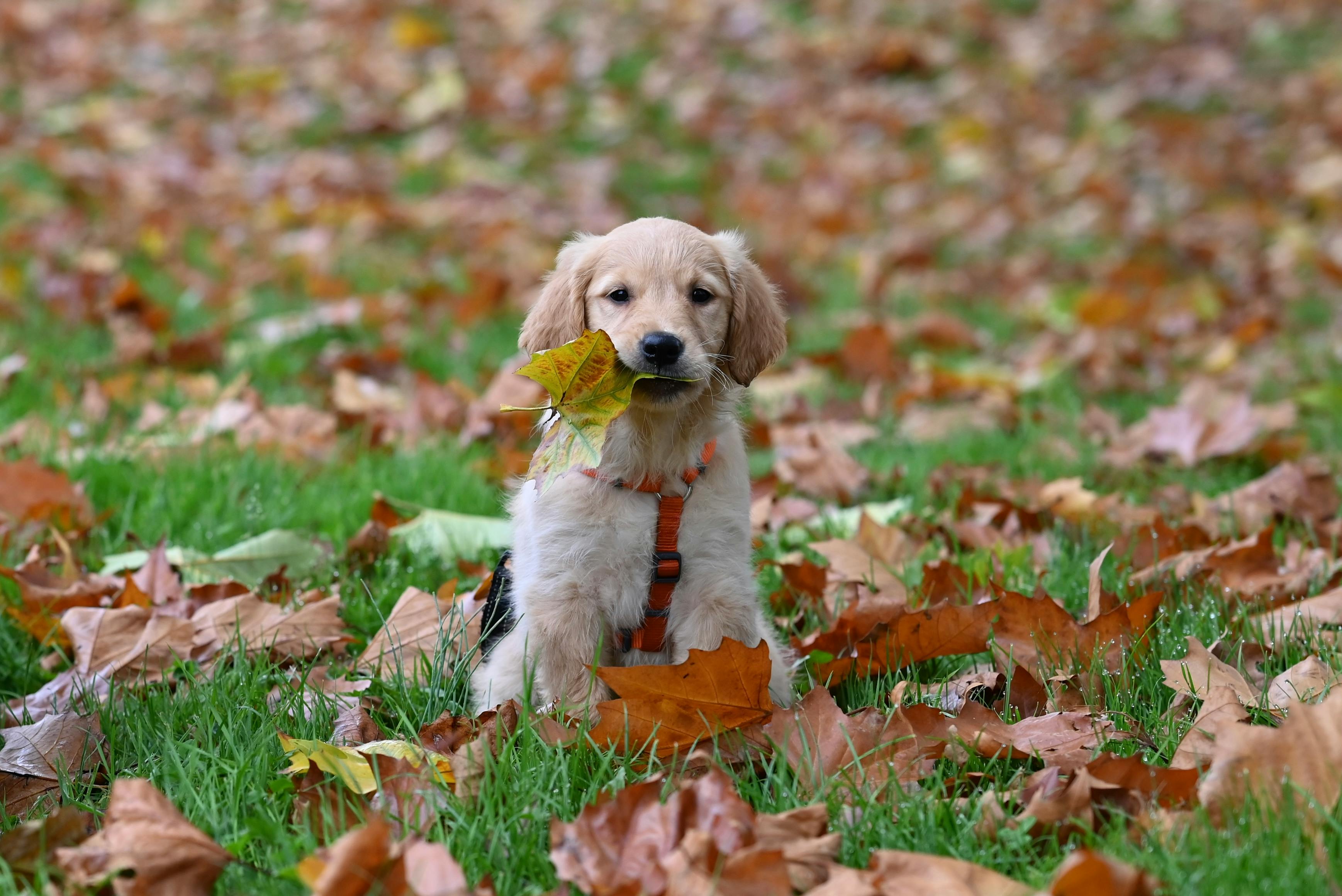
It depends on where you live. Spring allergies tend to hit harder in areas with lots of tree pollen, while fall allergies are often worse in regions with ragweed and grasses. Some dogs react to both seasons, and a few unlucky pups are sensitive year round.
• Spring allergies usually come from tree pollen (oak, birch, cedar), peaking from March through May depending on your region
• Fall allergies are driven by ragweed, grasses, and mold spores, often worst from August through October
• Dogs with seasonal allergies typically show itching, red skin, paw licking, and ear infections during their trigger months
• Some dogs are sensitive to multiple pollen types and may have symptoms in both seasons
Tree pollen is the main culprit in spring. Oak, birch, maple, and cedar trees release massive amounts of pollen that can trigger allergic reactions in sensitive dogs. You might notice your dog starting to itch more as trees begin to bloom, usually between late February and early June depending on your climate.
The timing shifts based on geography. Southern states see spring allergies earlier, sometimes starting in late winter. Northern regions may not see peak tree pollen until May. If your dog seems itchier after spending time outside during these months, spring allergens are likely involved.
Ragweed is the biggest trigger in fall, along with certain grasses and outdoor molds. Ragweed pollen can travel hundreds of miles on the wind, so even if it doesn't grow in your yard, your dog can still be exposed. Fall allergy season typically runs from late summer through the first frost.
Mold spores also increase in fall, especially in areas with wet leaves and decaying plant material. If your dog's symptoms flare up in September or October, fall allergens are probably the cause. Some dogs only react during this season and are completely fine the rest of the year.
Seasonal allergies usually show up as skin issues rather than sneezing. You might see your dog scratching more, licking their paws obsessively, or rubbing their face on furniture. Red, inflamed skin, especially on the belly, paws, and ears, is common. Ear infections that seem to come back during certain months are often allergy related.
The pattern matters. If symptoms appear around the same time each year and then improve when the season changes, seasonal allergies are likely. Keeping track of when symptoms start and stop can help your vet figure out what your dog is reacting to.
If your dog's seasonal allergies are making them miserable, Otis vets can help you figure out a treatment plan. Dr. Perry and our team can assess your dog's symptoms through a virtual visit and, if appropriate, prescribe medications like Apoquel to block the itch signals at the source. We can also guide you through skin care routines that help during flare ups, so your dog gets relief when they need it most.