



.png)
.png)
.svg)
.svg)
.png)
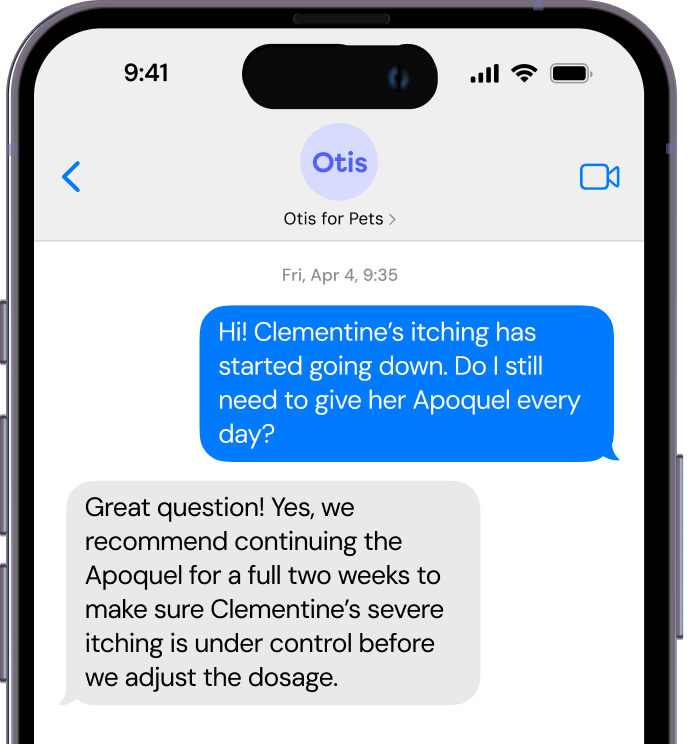
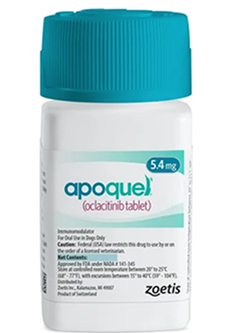
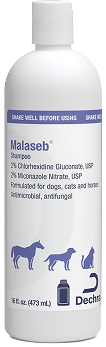
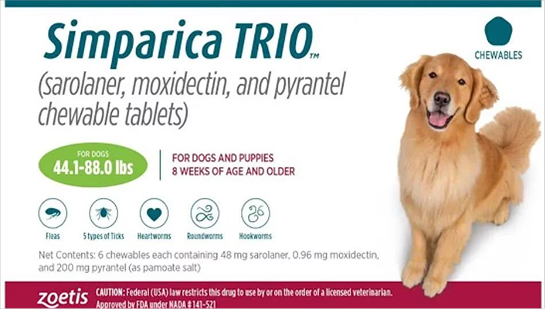
Our licensed vets take a holistic approach to your dog's care and may prescribe additional treatments to effectively manage your dog’s itching and address any existing flare ups.


.svg)


.png)

Dog skin allergies are an immune reaction that can cause itching, redness, rashes, ear issues, and recurrent skin infections. Common triggers include fleas, environmental allergens (like pollen or dust mites), and food ingredients.
You'll first complete an intake form telling us about your dog’s symptoms and medical history. From there you can either submit photos or book a video call for your virtual visit. A licensed veterinarian reviews your dog’s case (and may follow up with questions or a video visit), and prescribes a comprehensive treatment plan. Any medications ordered are filled by our partner pharmacy and shipped to your door.
Yes, when medically appropriate and in compliance with telehealth rules in your state. After reviewing your dog’s symptoms and photos (and a video visit if needed), a licensed vet can prescribe treatment and have medication shipped to your door.
The most common signs include constant scratching, licking, chewing paws, red or inflamed skin, recurrent ear infections, and hair loss. Some dogs also develop hotspots or an odor from secondary infections.
Atopy is a chronic environmental allergy that often causes year-round or seasonal itching, especially around the face, paws, belly, and ears. Treatment may include prescription itch control, medicated baths, strict flea prevention, and sometimes allergy testing or immunotherapy.
Flea-related itch often concentrates around the tail base, hips, and back, and may worsen quickly. Allergy itch can be more widespread and persistent even without visible fleas, so consistent flea prevention and a vet review are the best way to confirm the cause.
Flea allergy dermatitis is an allergic reaction to flea saliva that can cause intense itching, scabs, and hair loss. Treatment focuses on fast itch relief plus strict, ongoing flea control for all pets in the household and the home environment.
The best plan depends on the trigger and severity, but often includes prescription itch control, consistent flea prevention, and targeted skin/ear treatments. Some dogs also benefit from diet trials, medicated shampoos, or long-term allergy management strategies.
See a vet if your dog’s itching lasts more than a week or two, causes broken skin, recurrent ear issues, or affects appetite, sleep, or behavior.
Some medications can reduce itching quickly, while skin healing and inflammation may take longer. Most dogs show noticeable improvement within days to a couple of weeks once the right trigger and treatment plan are addressed.
Many do, especially if symptoms are frequent or tied to indoor allergens like dust mites. Others only need seasonal support, so the goal is usually to find the lowest effective long-term plan based on your dog’s pattern and response.
Common prescription options include Apoquel, Cytopoint, and sometimes short courses of steroids for flare-ups, along with medicated shampoos or sprays for skin support. If infections are present, vets may also prescribe antibiotics or antifungals, and consistent flea prevention is essential when fleas are a possible trigger.
If your pet's condition does not improve, you can contact our team at [email protected] for our veterinarians to reassess the treatment plan and explore other available treatment plans. We are here to help ensure your pet's health improves.